 Fellow Canadians: All inFlow plans are available in Canadian dollars



How a chocolate importer saves 10+ hours a week on lot codes and best-by dates
Summary
For Chocosphere’s five-person team, tracking inventory was a headache. Nearly all of their products have expiry dates, and many of them look alike. On spreadsheets, quarterly counts came out wrong and the details that mattered most, like which lot arrived when and what its best-by date was, had to be tracked down by hand.
Since 2024, operations manager Jeanne Kukich has recorded lot codes and best-by dates in inFlow Inventory at receiving, as part of checking in every shipment. That record now traces any product from purchase order to customer, surfaces aging stock in time to mark it down instead of writing it off, and frees up more than 10 hours per week which the team has been able to reinvest into new shelving, more inventory space, and a new supplier.
Quarterly counts that never matched
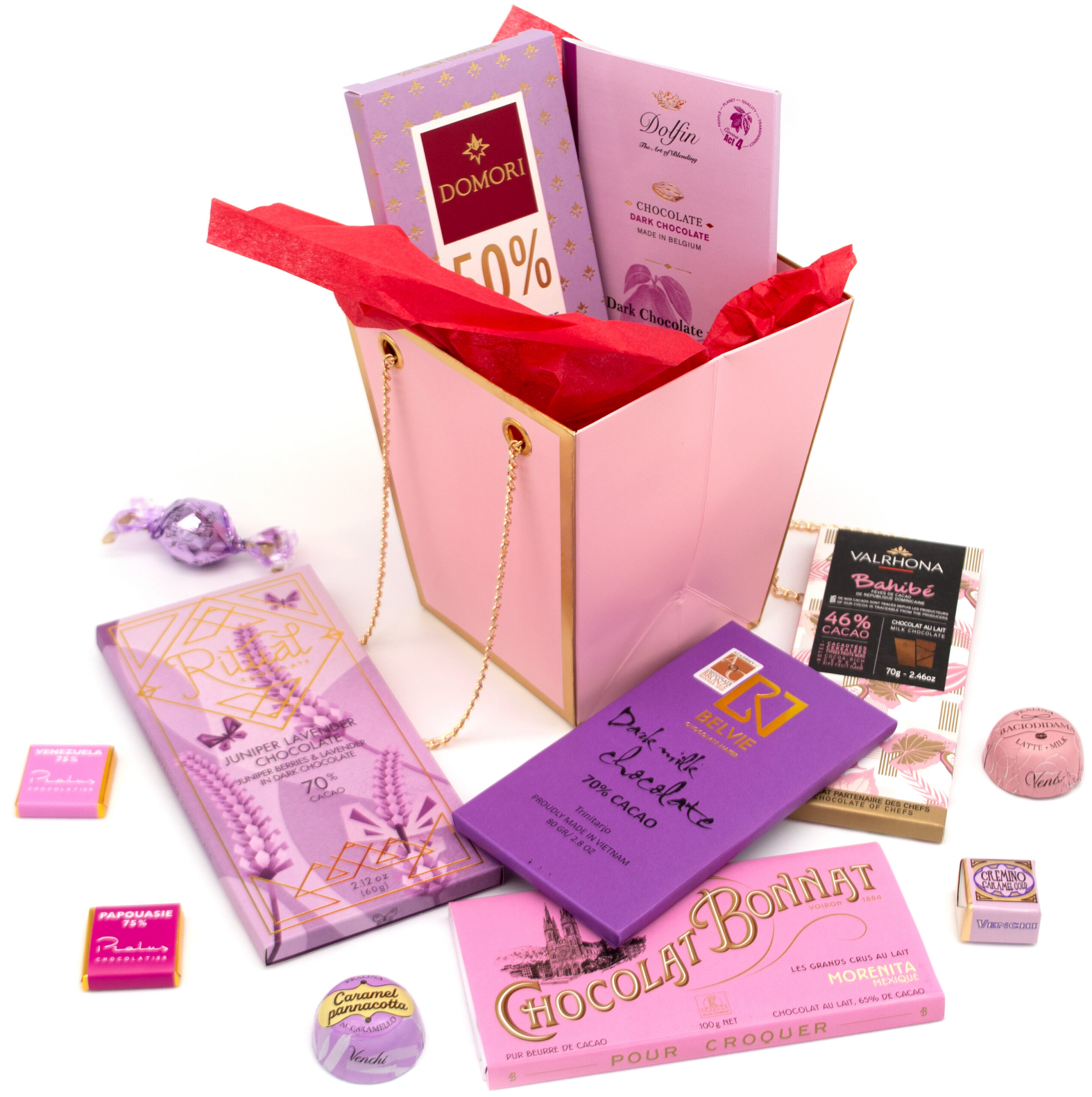
Since 1998, Chocosphere has sold fine chocolate, from bars, to couverture, to chef-grade discs and cocoa powder, all shipped from its warehouse in Oregon to home bakers and professional kitchens across the United States. It’s a business built on knowing exactly what’s on the shelf — which is harder than it sounds when the shelf holds chocolate.
“Our quarterly inventory checks were always off,” shared Jeanne Kukich, Operations Manager at Chocosphere.
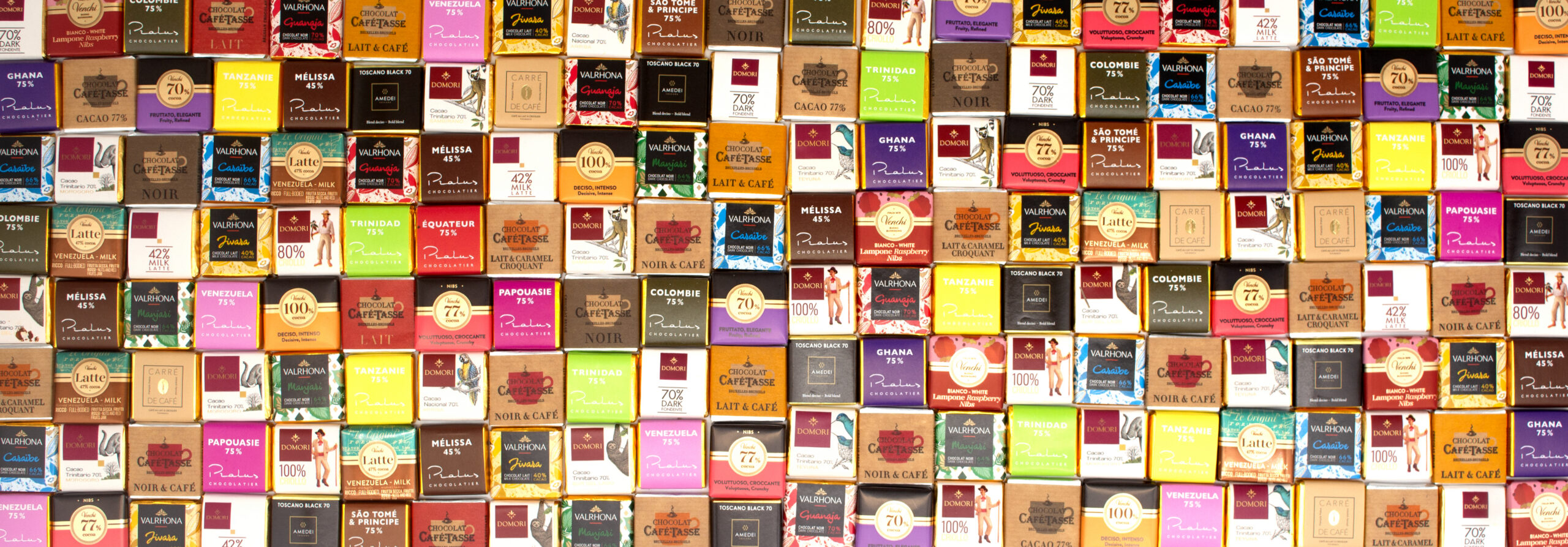
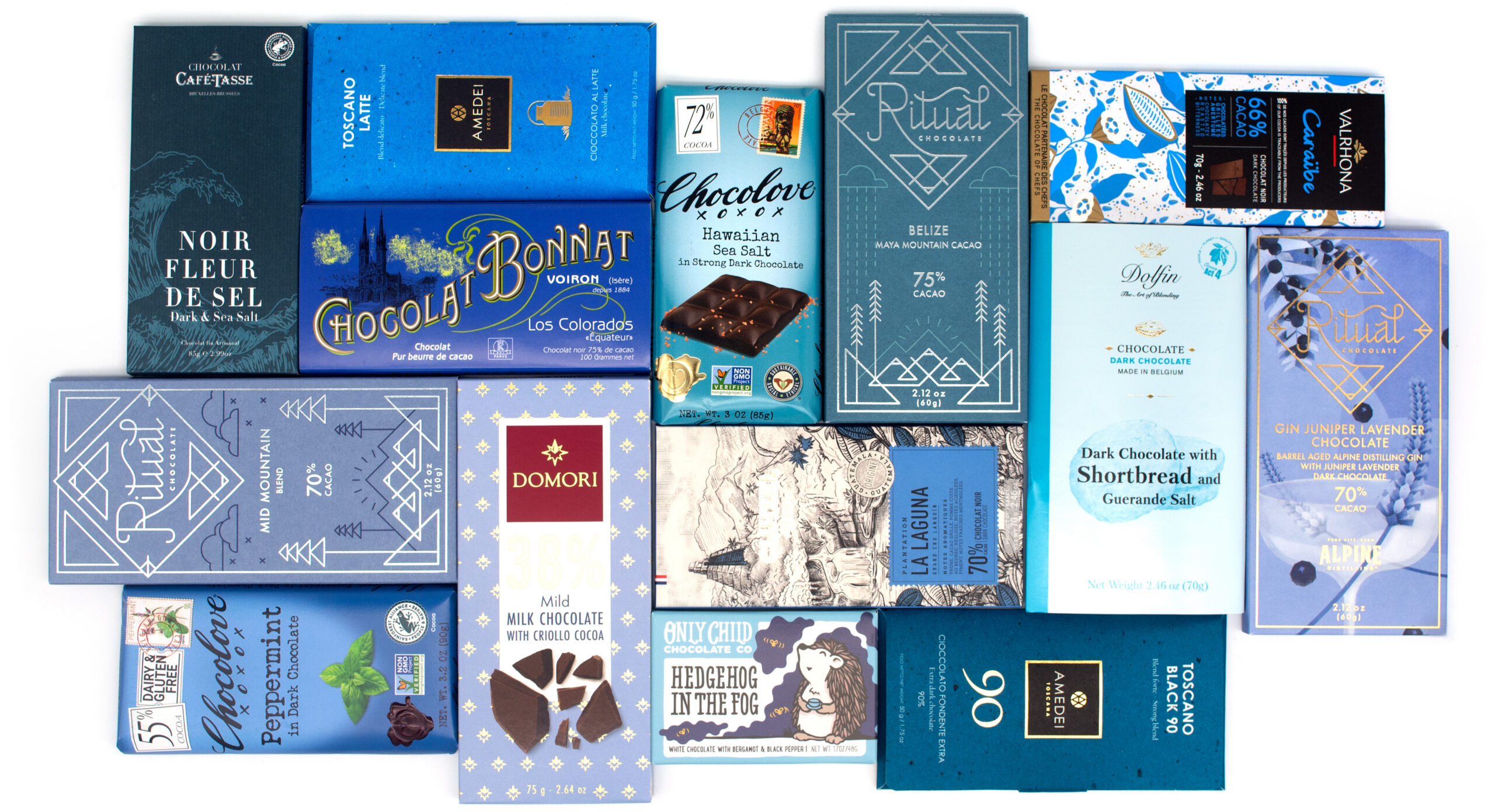
“We stock more than 2,000 products and 99% of what we sell is chocolate bars or chocolate products for baking,” she explained. “We might stock the same bar in different cacao percentages, formats and weights.”
Two digits on a label separate two different products, and getting that wrong on a reorder meant a shelf full of the thing nobody asked for. To solve this problem, Chocosphere moved their inventory management to inFlow Inventory.
“Moving to inFlow has reduced our reordering errors,” Kukich said.
In inFlow, every item has its own product record, complete with SKU, photo, and, when a supplier calls that item something different, the supplier’s own code for it. Purchase orders (POs) are built by picking from those records rather than typing product names into a blank line, which helps ensure that the right product is making it onto the PO. When the shipment arrives, the team receives against that same order, checking off what actually came in and adding anything that turned up unplanned.

Expiry date management made easy
Best-by dates and lot codes also get added into the product record at receiving, helping Chocosphere easily track and manage their stock so chocolate doesn’t get lost on the shelf and left to expire.
“Before inFlow, we spent way too many hours tracking down the specific details on sales and best-by dates,” Kukich explained. “Now, we’re writing off far less stock. Once inFlow identifies products nearing the best-by date, we are able to pull them and mark them down as a sale item before they expire.”
Reports that are audit-ready
“We recently went through a months-long process of becoming USDA organic certified,” Kukich continued. “The audit trail required was extensive. I couldn’t imagine how difficult it would have been without inFlow.”
Organic certification for a handler is, at its core, a recordkeeping exam. The certifier isn’t there to taste the chocolate. They want evidence that a specific product can be followed through the business from start to finish.
Repacking bulk items is where lot codes often get lost: the original packaging is discarded, and the smaller bags are only as traceable as whatever was written on them at the time.
“We create repacks from master products,” Kukich explained. “That requires that we print labels using the correct lot code and then adjust our inventory accordingly.”
inFlow handles the split as an inventory adjustment, which keeps that link to the original product intact. For example, one 3 kg bag of cocoa powder might become three 1 kg bags. Labels are printed to match each new 1kg bag so that the lot code is carried through, and the inventory is adjusted on both sides of the split so the totals and the trail agree.
“I could show the inspector that we could trace a specific product from ordering to the ultimate customer in the event of a recall,” she shared. “We started with the PO that was entered using inFlow, then went to the product record with the best-by dates and lot codes, then followed each product through to a Sales Order.”
“I was able to print out the audit trail and highlight a throughline of the lot codes ahead of the inspection, saving the inspector hours of time and saving us the related hourly fees,” Kukich continued. “I can’t imagine how difficult it would have been without inFlow. Not only were we successful in obtaining our certificate, but inFlow allowed us to get through the inspection for a reasonable price.”
Ten hours a week, reinvested
The time-savings with inFlow haven’t only emerged during the certification process.
“By the end of the first month, we were saving more than 10 hours per week with inFlow,” Kukich shared. “Those time savings have allowed us to get to other projects within the warehouse, such as adding more shelving and increasing our inventory space to add more stock. We’ve already added one new supplier and have several more on the way!”
The savings show up in smaller places too.
“We’re able to access customer orders, invoices, and payments faster because they’re all in the same platform,” Kukich says. “I don’t know how to quantify those savings exactly, but our sales continue to increase.”

Running perishable inventory?
See how inFlow Inventory keeps purchasing, receiving and stock records in one place, so the trail is there when you need it.