




Key takeaways
- A white label product is a generic item manufactured by a third-party supplier that businesses can rebrand and sell under their own name.
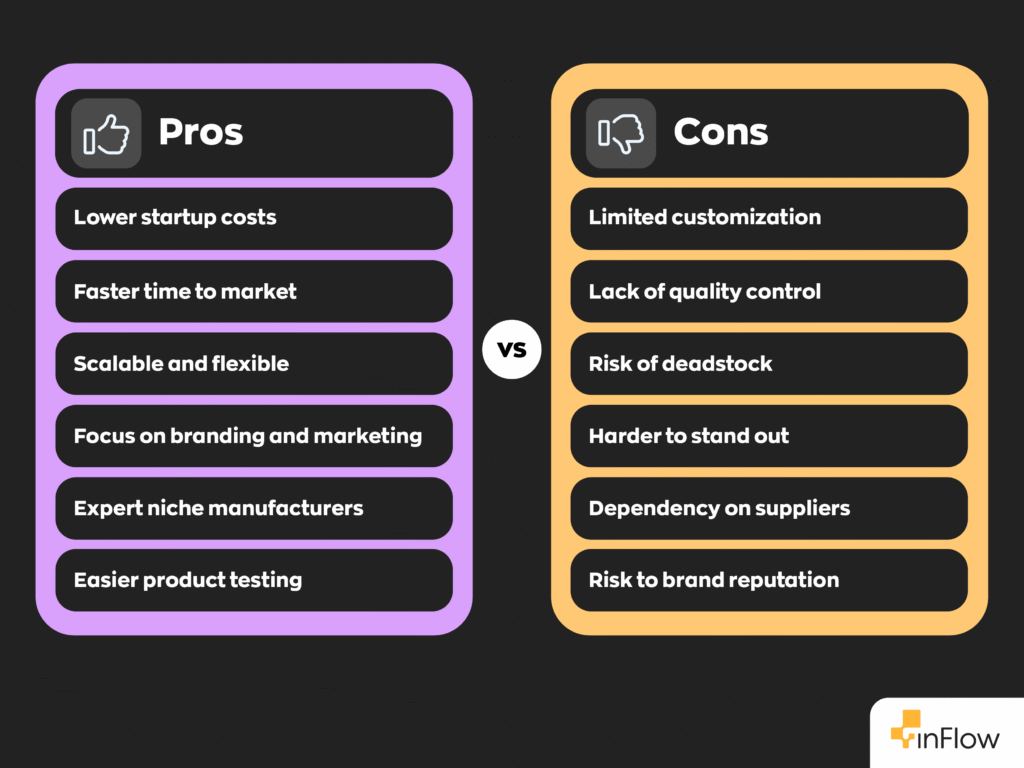
- The benefits of white labeling include lower startup costs, faster product launches, and more time and resources to focus on branding and marketing.
- Common drawbacks include limited customization, lack of quality control, risk of unsold inventory (deadstock), and difficulty standing out from competitors.
- To succeed, businesses should carefully vet suppliers, invest in compelling brand packaging, and use inventory software to track sales and stock levels.
- Getting started involves identifying market demand, researching suppliers, understanding legal requirements, customizing branding, and launching with a strong marketing strategy.
Even if you’ve never heard the term “white label products” before now, you’ve almost certainly used one. White label products present small and medium-sized businesses (SMBs) with a low-risk opportunity to expand their product lines, enter new markets more quickly, and boost profit margins. All without the high cost of developing goods from scratch.
In this article, we’ll explore what white label products are, their key benefits and potential drawbacks, and how to navigate common challenges. We’ll also break down the differences between OEM and ODM manufacturers and explain how each fits into the white labeling process.
What is a white label product?
A white label product is a generic, ready-made item produced by a manufacturer. Businesses can then purchase these products, rebrand them with their packaging and logo, and sell them to consumers.
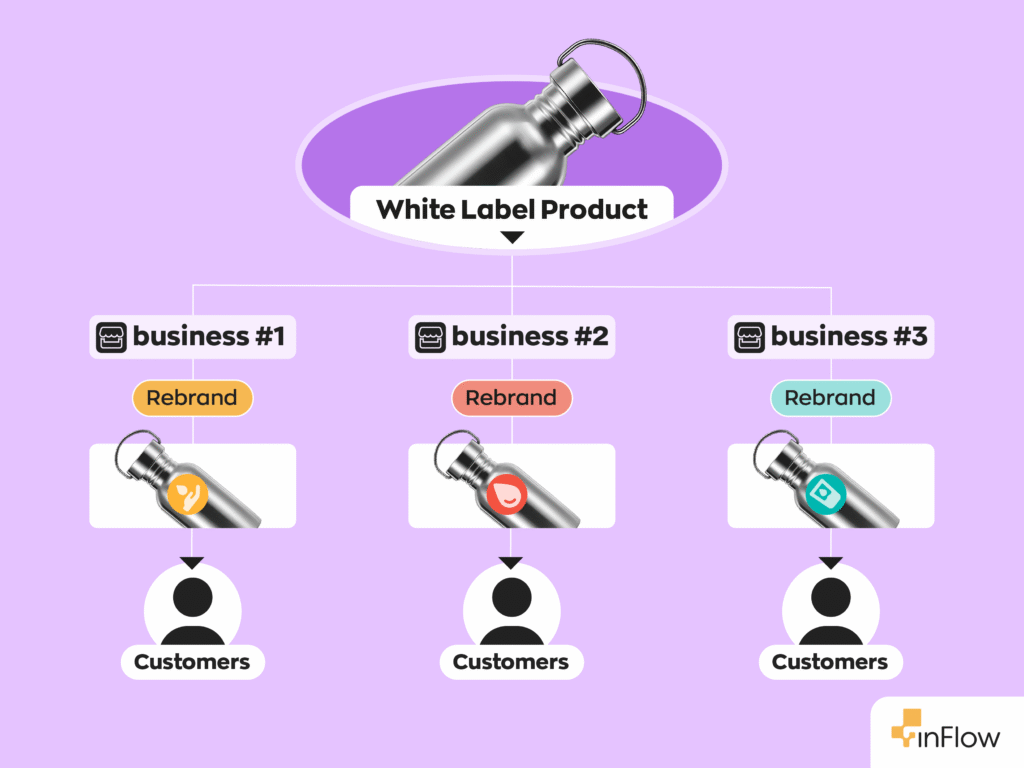
For example, many of the popular stainless steel water bottles we see today are white label products. They’re manufactured, then sold to various companies, who then add their branding before selling them to consumers.
White labeling is a common business model that enables brands to expand their product offerings without having to handle the development and production processes themselves.
What are the benefits of white label products?
Product development is a lengthy and expensive process, which is why many businesses turn to white labeling to help them grow. Here are four benefits white label products offer.
1. Low cost of investment
With white labeling, you won’t have to worry about R&D, production facilities, tooling, or any of the other things that come along with product development. Since you’re leveraging an already existing product, you’ll considerably lower your startup and operating costs.
For example, in 2024, electronics giant Samsung spent $24 billion USD on research and development (R&D). Yup, you read that right $24 billion with a “B”. Most SMBs don’t have that kind of capital floating around, so white label products just make more sense.
2. Expanded product range and faster market entry
Running a business means competing with other businesses. That’s just the fundamental nature of the game. One way competitors try to gain an advantage is by offering a wider range of products or services.
Even retail titans like Wal-Mart and Costco regularly rotate products in and out of their catalogues. White labeling allows you to launch products much faster than developing them from scratch.
3. Flexibility and scalability
Adding items to your product line can be risky if you’re doing all the work in-house. However, white label products offer a low-risk opportunity to test new merchandise. This will allow you to experiment with new markets and scale your business without worrying about the potential damage it could cause to your existing operations.
4. Shift resources and focus on other areas of your business
Since product development and manufacturing are off your plate, you can spend more time and money on other areas of your business. For example, you could spend more time marketing your new product and even use some of the saved money to run ads. You can also focus more energy on customer service to ensure you keep your customers happy.
What are the drawbacks of white label products?
Like with anything, there are some downsides to white label products. Nothing is perfect. Here are four notable drawbacks to consider if you’re considering white labeling.
1. Limited customization
The biggest drawback of white labeling is almost certainly the lack of control. Having a product created and manufactured by another company removes you entirely from the process. Which means the product you purchase is ultimately the one you sell. In other words, you get what they give you. Customization would come at a premium price or not be possible at all.
2. Lack of quality control
When you’re not involved in the production process, you’re completely detached from any sort of quality control. This means you’re at the mercy of your manufacturer. If your supplier produces poor-quality products, it will ultimately harm your brand’s reputation. Finding a reliable manufacturer that puts quality above all else is key.
3. Risk of deadstock
Just because you add something to your product line doesn’t mean your customers are going to buy it. While white labeling is a great way to experiment with new products, sometimes those experiments fail. When purchasing white label products, you’ll be required to buy in bulk, which means that when sales stop coming in, you’ll have a lot of deadstock.
4. Harder to stand out
The nature of white label products means they aren’t one of a kind. Chances are that many other brands are selling the same product as you, just with different packaging. This makes it much harder for you to differentiate yourself from your competitors. Ultimately, it will come down to how you market your brand compared to your competitors.
How to overcome the challenges of white labeling
If you’re thinking about selling white label products, there are some things you can do to help overcome the challenges.
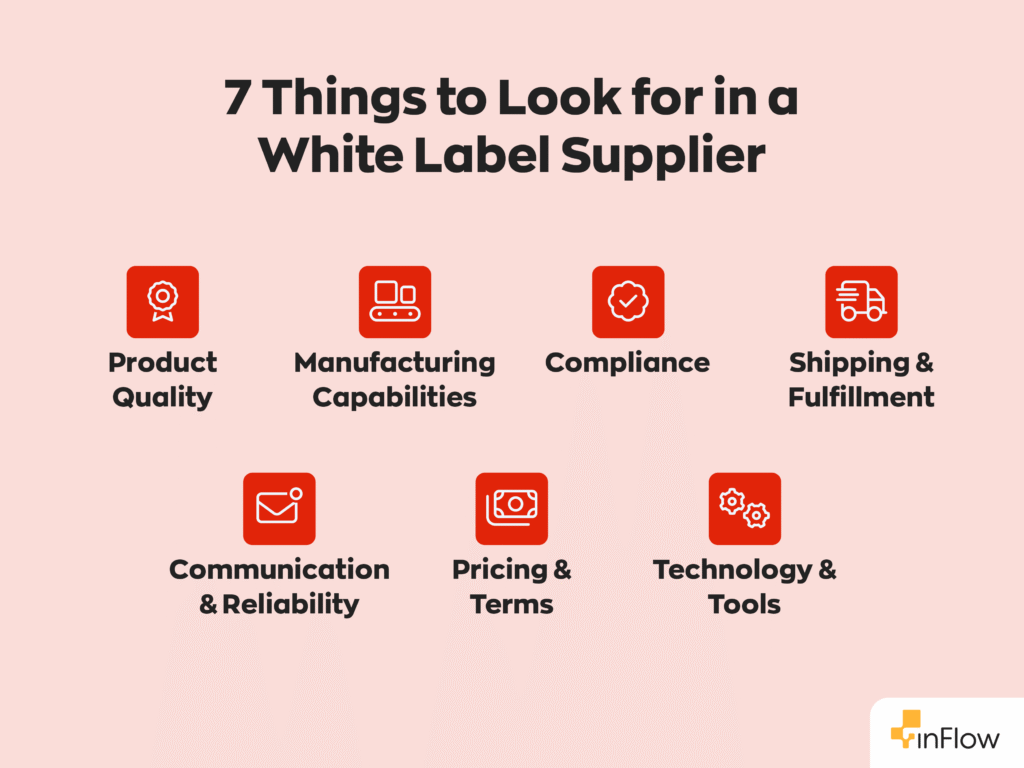
- Vet your suppliers—a good white label product will ultimately come down to the supplier. Ensure that you use suppliers with good reviews and long-standing client relationships. Request product samples whenever possible, as well as certificates such as ISO or FDA
- Focus on the brand experience—white labeling products means what you’re selling isn’t unique or special. This is where your brand comes in. Invest in custom packaging that tells a compelling story. Focus on your brand voice, visuals, and the customer experience.
- Utilize inventory management software—the biggest risk associated with white label products is the potential for inventory levels to become unmanageable. Our inventory management software inFlow helps you mitigate these risks. With inFlow, you can monitor inventory turnover and set reorder points to avoid overstocking or stockouts. You can also use our reporting features to see what’s been selling and what’s been collecting dust.
Step-by-step: How to get started with white label products
First things first, ensure that choosing a white label product makes sense for your business. Some just aren’t suited for white labeling, and that’s alright. If you’re sure of that, here’s how to get started.
Step 1: Identify market demand
There is no sense in offering a new product to your customers if there is no demand for it. Start by doing keyword research and surveying your customers to find high-demand trending products in your niche. Whatever you choose, though, it needs to make sense for your brand.
Step 2: Research white label suppliers
Next, you’ll need to find a white label manufacturer that suits your needs. Ideally, they already have experience manufacturing the product you have in mind. This is also a good time to vet your potential partners. Ensure you ask the right questions, such as minimum order quantities (MOQs), lead times, and customization options. If you can’t find a manufacturer that suits you, ask around. Chances are, someone will point you in the right direction, and maybe even steer you away from the wrong one.
Step 3: Understand legal requirements
Offloading work to another company may sound like a legally easier option, but the law can be complex. Ensure that whichever manufacturer you’re working with complies with local regulations. Use contracts to define quality expectations, returns, and liability. If there’s anything at all that you’re unsure of, consider consulting a lawyer. Better safe than sorry.
Step 4: Customize branding and packaging
Once you’ve found a manufacturer you want to work with, you’ll need to build a customer experience. For this, you’ll need to design a unique and eye-catching label, packaging, and unboxing experience. Make sure whatever you do sets you apart from all the other companies offering the same white label product.
Step 5: Launch and market your new product
Now that you have a new product ready for sale, you’ll need to garner some attention. This is where marketing comes in. Try building a new landing page on your website to promote your latest offering. Leverage email campaigns, social media, influencer outreach, and paid ads whenever possible. But don’t just stop at the sale. Encourage buyers to leave reviews and testimonials. Nothing drives more sales like happy customers singing your praises.
What is the mark of success?
White labeling is a bit different, so the success metrics are also a bit different. Here are the three that we think you should keep an eye on.
Profit margin
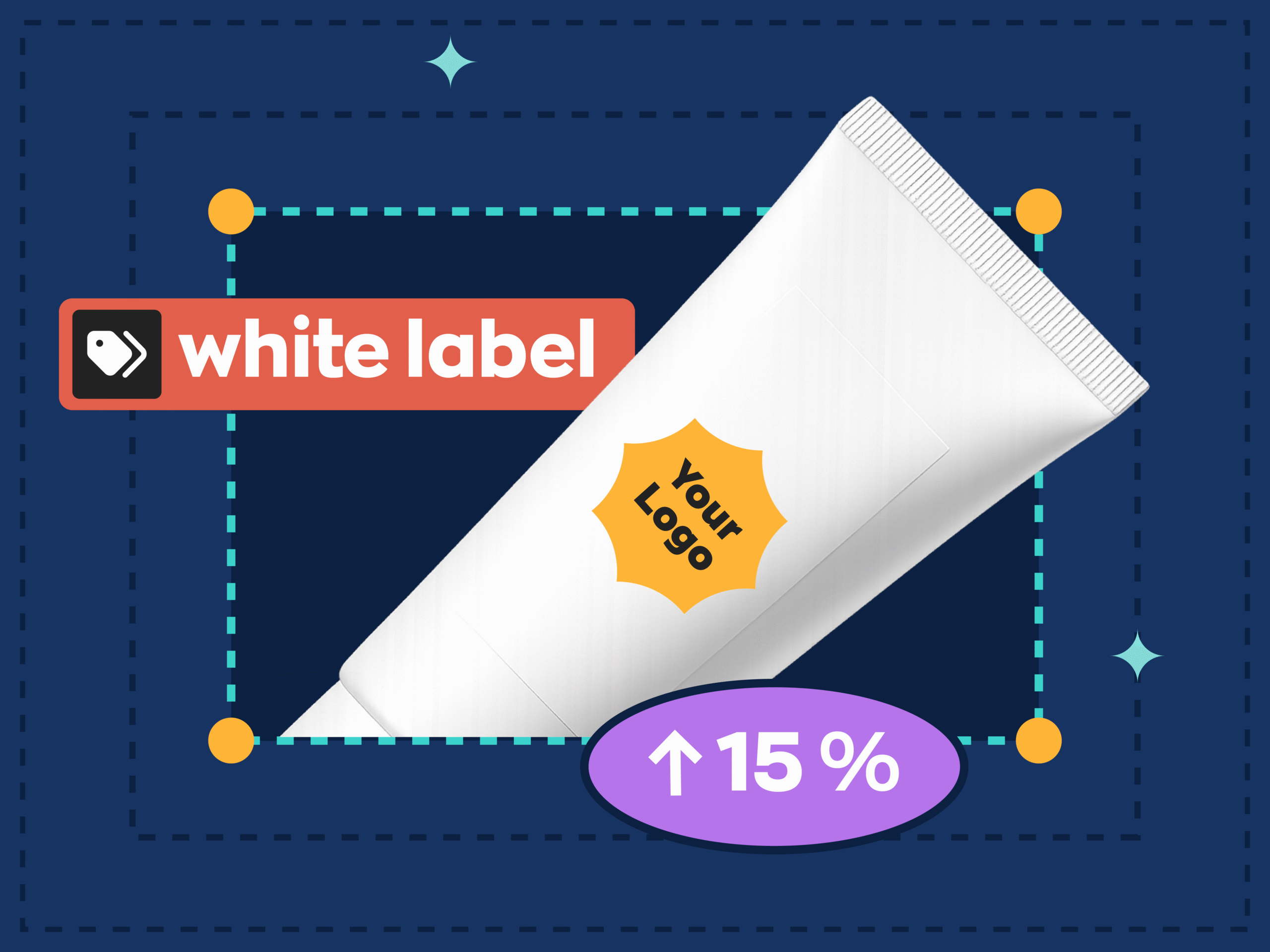
Profit margin is simple. It’s a ratio that measures how much of a business’s revenue is actually profit. You can think of it as the amount a business earns on every dollar of sales. For example, if a business has a 15% profit margin, it earns 15 cents for every dollar of sales.
Keep an eye on this when implementing new white label products. If it noticeably dips, that’s a good sign that something isn’t working.
Sales velocity
Sales velocity refers to the amount of revenue a business generates within a specific timeframe. It’s a calculation of how quickly a business converts customers and generates revenue.
Inventory turnover
While similar to sales velocity, inventory turnover represents a different business aspect. Rather than how quickly a business converts customers, it represents how long it takes for a shelf item to sell.
Where do OEMs and ODMs fit in?
When sourcing products, you’ll undoubtedly come across the terms OEM (Original Equipment Manufacturer) and ODM (Original Design Manufacturer). OEM are manufacturers that produce a product based on a custom design and specifications. They offer complete control over a product’s features and branding, but this comes at the cost of more time and money.
In contrast, ODM suppliers create their own product designs and allow you to rebrand them. Sound familiar? The ODM model is the most common for white label products. They produce products faster and more cost-effectively, making them ideal for businesses that want to enter the market quickly without reinventing the wheel.
Wrapping up
Whether you’re a new SMB just getting off the ground or an established brand ready to extend your reach, white label products offer a powerful way to grow without the traditional overhead of product development and manufacturing. By choosing the right suppliers and focusing on brand storytelling, you can build a scalable product line that feels custom, even when it’s not.
FAQs
What are some common examples of white label products in the market?
Products that are simple to manufacture and widely used tend to work best for white labeling. Common examples include cosmetics, supplements, apparel basics, accessories, household goods, and food products.
Where do businesses find a reliable white label product supplier?
Businesses typically find white label manufacturers through wholesale marketplaces, industry trade shows, sourcing agents, and supplier directories. Popular sourcing platforms include Alibaba, Faire, ThomasNet, and Global Sources.
What is the difference between white label and private label products?
White label products are generic goods manufactured by a third party and sold to multiple brands that add their own packaging and branding. Private label products are typically made exclusively for a single retailer, which allows for more control over product specifications and differentiation.
What is the minimum order quantity (MOQ) for white label products?
Minimum order quantities vary by supplier and product type. Some manufacturers require large bulk orders, while others offer smaller MOQs for new businesses. Always confirm MOQ requirements early, since they directly impact your upfront costs and inventory risk.
Is white labeling better than manufacturing your own product?
It depends on your goals. White labeling is faster and requires less capital, making it ideal for testing new products or entering a market quickly. Developing your own product offers more customization and exclusivity but requires significantly more time, investment, and operational complexity.



0 Comments