




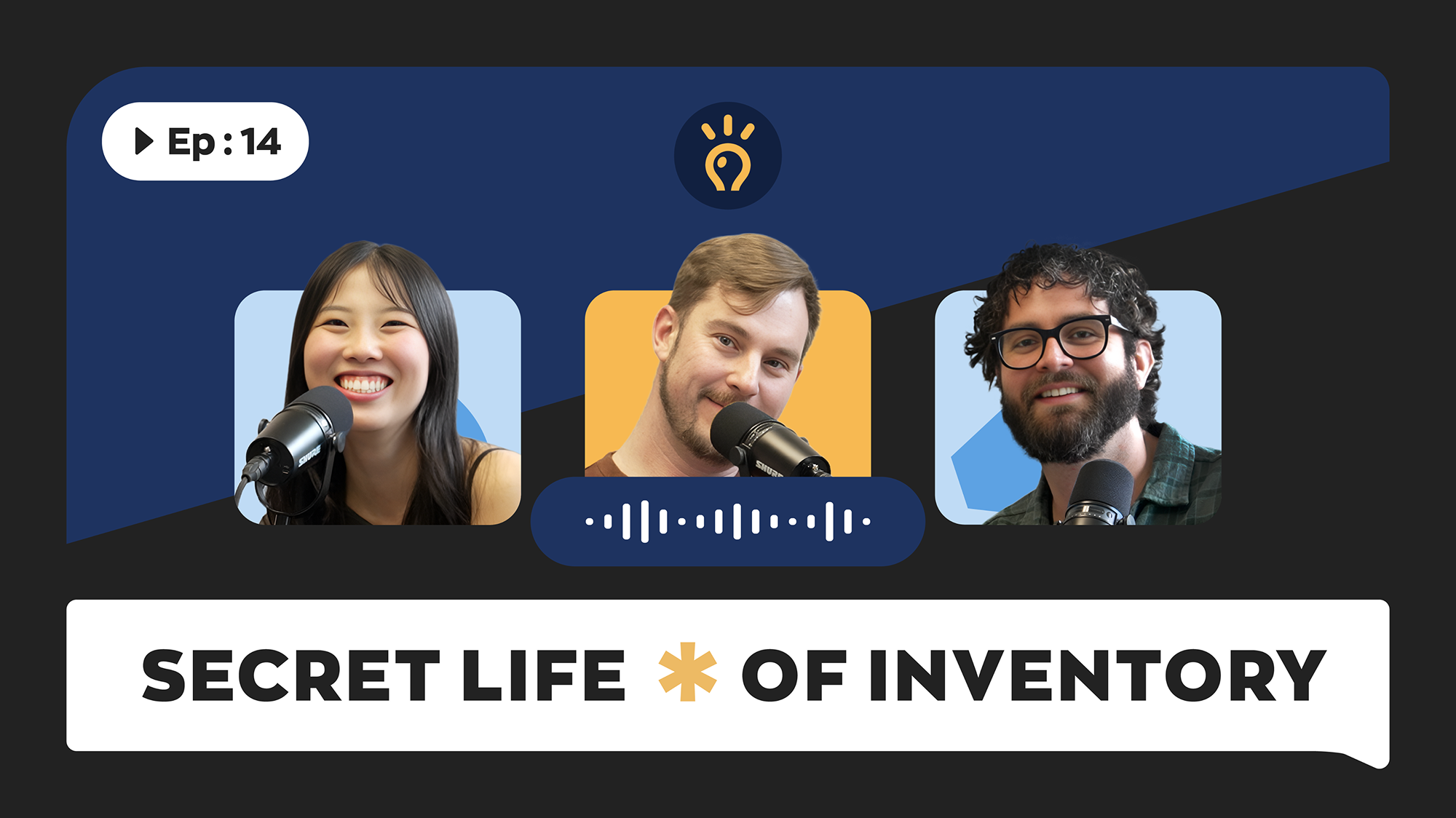
Launching a successful product isn’t just about having a great idea; it’s about understanding the entire product journey from conception to final sale. In episode 14 of Secret Life of Inventory, we sat down with Matt Kostan, inFlow’s head of business development, to uncover the secrets behind successful product launches.
With over a decade of experience developing not just barcode scanners and portable printers but also a slew of other products, Matt shares invaluable insights every entrepreneur should know. Watch the full conversation with Matt below.

How to know what’s worth of product development
The biggest mistake you can make as an entrepreneur is following the crowd. Jungle Scout reports that approximately 65% of new sellers rely on their keyword research tool to identify popular niches. Matt takes a different approach.
“For me, a lot of it is like, yeah, what’s a pain point in my life? And can I solve something for it?” Matt explains. This personal approach led him to create a professional metal luggage tag after receiving an M&M-themed tag that wasn’t suitable for business travel.
The key is finding that sweet spot where your personal frustration meets market demand. “Scratch an itch that you have and then find the tens of thousands or hundreds of thousands of other people that have that same itch,” Matt advises.
Even if an idea starts from a personal need, it’s still important to validate it with keyword research. That way, you can confirm there’s real demand and avoid building a product for a customer of one.

Navigating manufacturers & suppliers
Once you’ve settled on your idea, the real work begins. Manufacturing, especially overseas, presents unique challenges that can complicate the product development timeline. Here are two basic rules to live by.
- Communication is everything. Matt’s number one rule? Don’t rely on email. “You want to have that live chat going,” he emphasizes, preferring WeChat or WhatsApp for instant communication. The time zone difference means working late nights to match your supplier’s schedule, but it’s worth it for real-time back and forth.
- Relationships matter more than price. After nearly a decade working with some suppliers, Matt has built genuine partnerships. “They send Christmas cards, they send gifts. It’s a family now,” he shares. This loyalty pays off when you need favors or referrals for new projects.
It’s important to keep in mind that, depending on the product you’re developing, the timeline will vary dramatically. For instance, a simple USB barcode scanner might take a couple of months, while inFlow’s portable printer required over a year due to firmware, driver, and Wi-Fi setup challenges.
Why product packaging matters
Here’s something most entrepreneurs overlook in the product development life cycle. When a customer gets their hands on your product, their first impression comes from the packaging; that single moment can shape how they feel about your entire brand.
Matt’s mosquito repellent bracelet campaign is a masterclass in product packaging that provides a surprise and delight. Advertised as a five-pack, every customer received six bracelets with packaging that read “Surprise, you got the six pack!” Plus, a note asking customers not to reveal the “secret” in their reviews. This psychologically encourages them to leave feedback, and also gives them a sense of excitement and exclusivity.
“The cost of the extra band was negligible. Like literally nothing,” Matt notes. But the impact on customer satisfaction and reviews was enormous.

Measuring success before you launch
The secret to any successful product launch isn’t the product itself; it’s the runway you build beforehand.
“The secret to launching any product is runway,” Matt reveals. This means building an email list of interested customers during the product development process, long before your product exists. For Kickstarter campaigns, he aims to hit funding goals on day one, not day thirty, because early success dramatically improves conversion rates throughout the campaign.
For traditional product launches, Matt’s benchmark is pre-selling at least half of his first production run. This approach validates demand while covering initial costs.
Rolling with the punches: tariffs, pandemics, & regulatory changes
External factors like tariffs, pandemics, or regulatory changes can derail even the best-laid plans. But successful entrepreneurs see opportunity in chaos.
When COVID-19 killed Matt’s travel product sales overnight, he pivoted to create a door-opening tool for contactless entry. The result? $100,000 in Kickstarter funding in 30 days.
“With entrepreneurship, you’ve got to roll with the punches,” Matt explains. “Some businesses will actually double down and just figure out a way to grab market share.”
The bottom line on product development
Product development isn’t just about thinking up an idea and finding a manufacturer or supplier to help you bring it to life. It’s about understanding your customer’s journey from first impression to final purchase. Success comes from solving real problems, building genuine relationships with suppliers, creating memorable unboxing experiences, and having a solid launch strategy.
The most important lesson? Don’t try to be everything to everyone. “Hyper specializing in specific niches” is what separates successful products from the countless others fighting for attention in today’s crowded marketplace.
Ready to turn your product idea into reality? Watch the full episode of Secret Life of Inventory, where we dive deeper into supplier negotiations, quality control processes, and the specific challenges of developing complex products.

0 Comments