




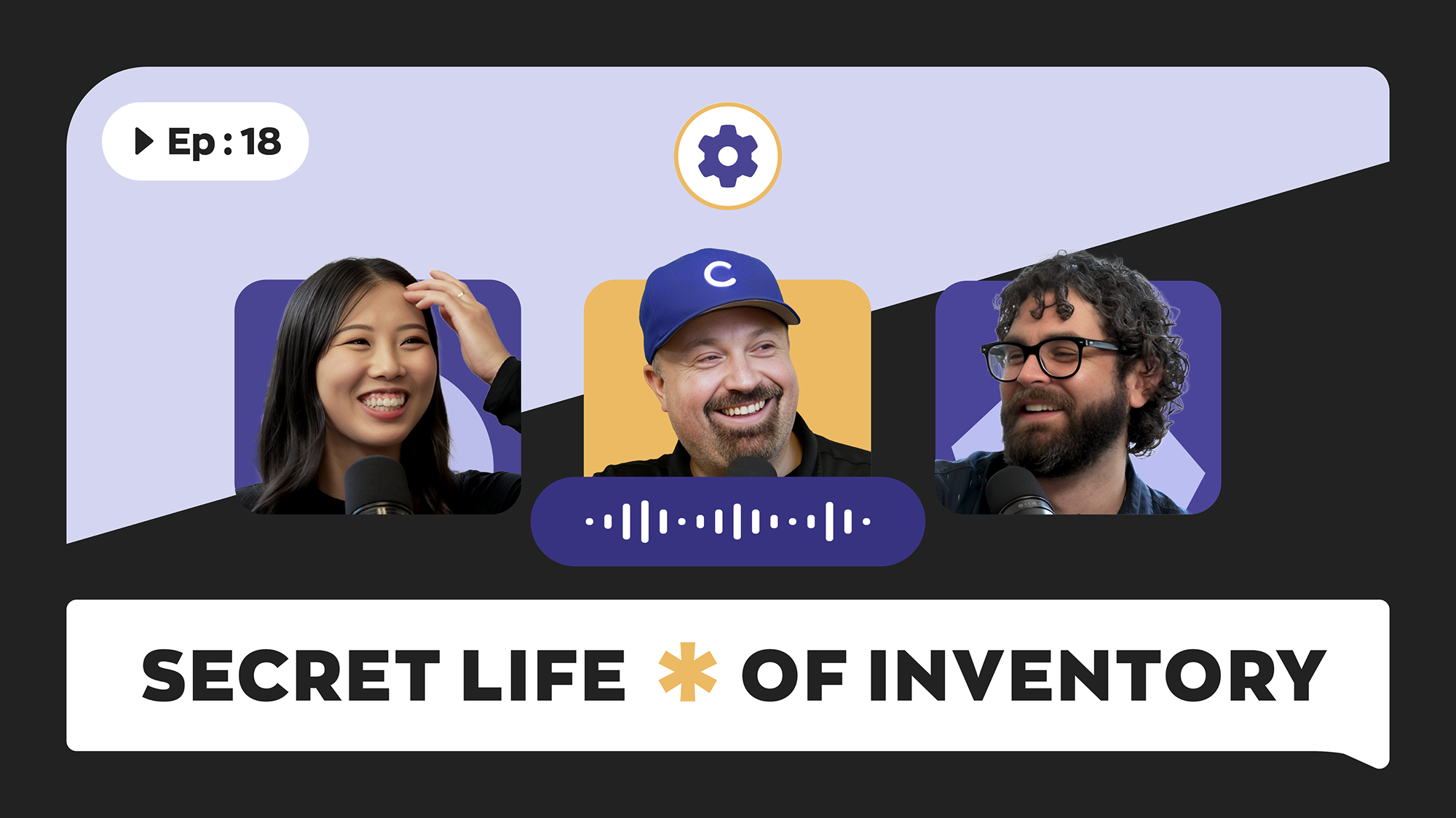
The manufacturing landscape has been constantly shifting over the past couple of decades, forcing companies to either adapt or risk being left behind. In our latest episode of Secret Life of Inventory, we sat down with Jake Hall, better known as the Manufacturing Millennial, to explore how modern manufacturers are leveraging automation, attracting younger talent, and building sustainable operations for the future.
With over 20 years of experience working with manufacturers both big and small, Jake has witnessed firsthand how technology is transforming factory floors across North America. Watch the full episode now for insights from Jake!

The reality of modern manufacturing automation
In the past, implementing robots in your manufacturing operation came with a hefty price tag, making them cost-prohibitive for smaller organizations. But things have changed. Today, Jake shares compelling examples of how collaborative robots (cobots) are now accessible to small and medium-sized businesses. Where a palletizing robot system once cost $250,000, today’s solutions can be deployed for around $100,000.
But here’s what’s really interesting: the most successful manufacturing automation projects aren’t about eliminating human workers. They’re about removing the “dark, dirty, dangerous, and dull” tasks that make it impossible to retain employees, Jake explains.
Take the Michigan recycling facility Jake worked with. They couldn’t keep workers on the floor for more than a few weeks because of the harsh conditions. Who can blame them? With temperatures of 105°F, sticky surfaces, and the smell of week-old spilled beer, the working environment was pretty much as miserable as it gets.
To combat high turnover, the company implemented large industrial robots to handle the most unpleasant tasks. They didn’t just solve their staffing problem; they created opportunities for workers to learn robotics programming and upskill.
Small vs. large manufacturers: different challenges, same goals
When working with smaller manufacturers, Jake recognized a crucial distinction: these companies can’t afford million-dollar mistakes. While large corporations can treat failed automation projects as expensive learning experiences, small businesses need solutions that work from day one, which makes them much more risk-averse.
It’s important to understand that 98% of manufacturers are classified as small to medium-sized businesses. These companies often run on equipment that’s 30-40 years old, and their teams wear multiple hats. When they invest in new technology, it directly pulls resources from daily operations.
This is why the democratization of automation technology is so critical. Companies like Universal Robots have made collaborative robotics accessible through intuitive, iPad-like interfaces that don’t require weeks of specialized training.
The manufacturing skills gap challenge
One of the most eye-opening stats Jake shared was that there are currently 500,000-600,000 open manufacturing jobs in the United States alone. The welding industry faces a particularly acute shortage, with the average welder being 53 years old and over 40% expected to retire within the next decade.
This is a problem where the solution isn’t just about technology, it’s about changing perceptions and investing in people. The technology you adopt is only as good as the human workers who work alongside it.

Reskilling for the digital age
The pandemic accelerated digital transformation across various industries, not just manufacturing. Jake’s own journey illustrates this perfectly. As someone who spent his days on the shop floor, he was suddenly forced to work from home.
Jake used this as an opportunity to learn video editing, content creation, and social media marketing, spreading his voice online, which transformed his career and led to the creation of the Manufacturing Millennial brand.
Today’s manufacturers need to embrace this same adaptability. The companies that are thriving are those that invest in their existing workforce, provide training on new technologies, and create pathways for career advancement within the company.
Beyond the factory floor: community engagement
The most important insight from our conversation was Jake’s emphasis on community engagement. Manufacturers struggling with labor shortages need to think about the long game. As the average age of manufacturing workers rapidly rises, businesses should focus on increasing interest in the industry by engaging with local high schools, technical programs, and colleges.
Through programs like Discover Manufacturing and My Career Quest, Jake’s organization connects 20,000 middle and high school students annually with manufacturing career opportunities. Jake’s message is clear: you don’t need a four-year degree and $40,000 in student debt to build a successful manufacturing career.
The future of manufacturing robotics is collaborative
Looking ahead, the most successful manufacturers will be those that view automation as a tool for human empowerment, not replacement. Whether it’s 3D bin-picking systems that eliminate repetitive, heavy lifting or collaborative welding robots that handle dangerous tasks, the goal is the same: to create better working conditions while maintaining competitiveness in a global economy.
Jake’s work with robot dogs shooting fireworks and delivering beer might seem like fun and games, but it serves a serious purpose: getting the next generation excited about robotics and manufacturing careers. When people see technology as approachable, fun, and exciting, they’re more likely to consider careers in these fields.
Key takeaways for modern manufacturers
The manufacturing industry stands at a crossroads. Companies that embrace automation thoughtfully, invest in their people, and engage with their communities will thrive, while those that don’t risk becoming obsolete.
As Jake puts it: “You’ll never be productive without your people.” The future of manufacturing isn’t about choosing between humans and robots—it’s about creating the perfect partnership between both.Want to hear more insights from Jake Hall about the future of manufacturing, specific automation case studies, and his advice for attracting younger talent? Listen to the full episode of Secret Life of Inventory!



0 Comments